Seeing grief, love, and life from a different height
I don’t know if you’ve ever had this experience—where a memory of a movie lingers, like a faint scent you can’t quite place. You don’t remember the title, you don’t remember the actors, but there’s that one scene that refuses to leave. For me, it was a scene about perspective.
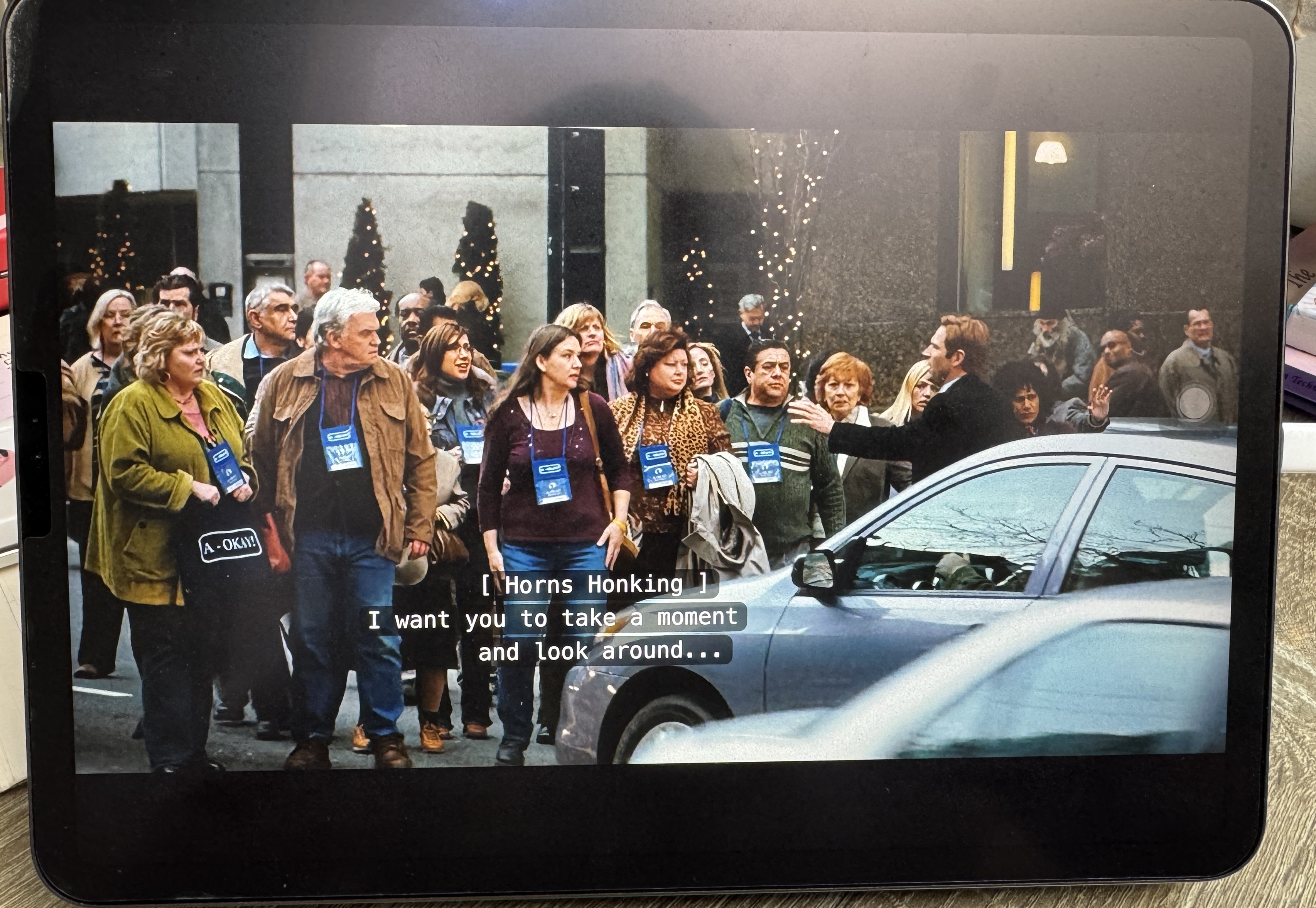
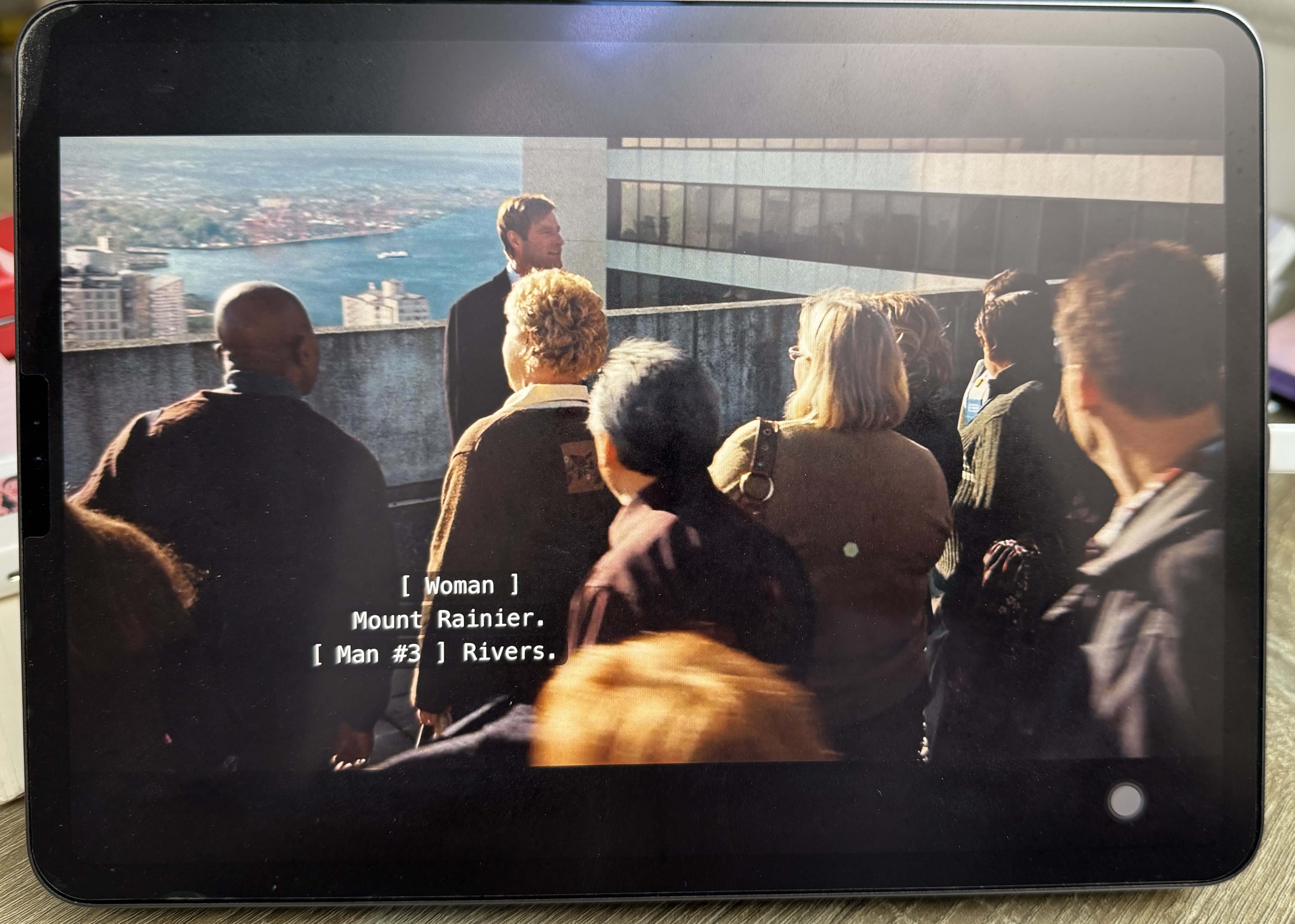
There’s a scene in the movie that struck me deeply. One moment, you’re standing in front of the hotel, the world feels overwhelming. Cars honking, people shouting, noises colliding all at once—it mirrors how our problems often sound in our heads: loud, urgent, unbearable. That’s the man’s view. Close, chaotic, impossible to sort out. But then, the scene shifts. You’re up on the hotel rooftop, looking down. The very same street is still there—the honks, the rush, the chaos—but from above, it looks smaller, quieter, almost patterned. That’s the bird’s view. Suddenly, what once felt suffocating becomes manageable. It hasn’t disappeared, but it’s no longer crushing.
(Actually, there was this story behind this blog. I had forgotten the title for the longest time. I only remembered that particular moment—when a shift in perspective changed everything. It reminded me how life often doesn’t ask us to erase the pain, but to view it differently, like tilting your head and suddenly noticing the beauty of a painting you once overlooked. And then, as if the universe wanted to answer my long search, Love Happens appeared on Netflix. I wasn’t even looking for it that day—I was just scrolling, half-distracted, when the title caught my eye. I still had no clue if this was the movie. But then the scene came: that rooftop view, the noise of the street below, the shift in perspective—and my heart whispered, yes, this is it. The very moment that had stayed with me all these years. I was in awe.)
And isn’t that just life? We can stay on the ground, lost in the noise of our daily struggles, or we can choose to climb a little higher—through reflection, prayer, journaling, or even just a mindful pause—and see things from a wider angle. The street doesn’t change. We do.
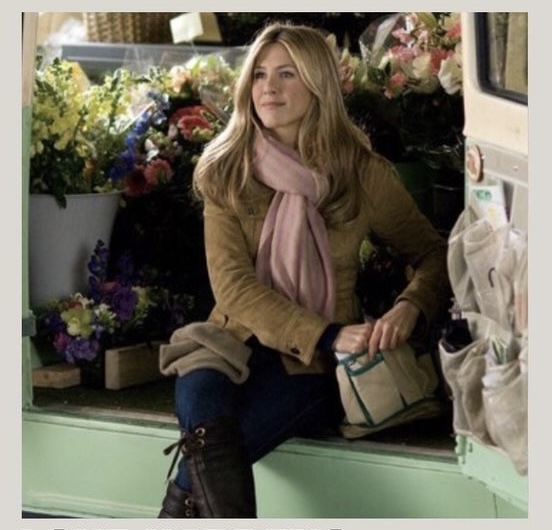
What I loved most about Love Happens is how gently it tells the truth about life. It reminds us that healing is never neat—it’s messy, unpredictable, and something we learn to live with rather than “get over.” It shows how a simple shift in perspective can change the way we carry our burdens, proving that sometimes the world doesn’t have to change—only the way we see it does. The love story itself arrives quietly, without fanfare, just two souls meeting at the right time and daring to open their hearts again. And then there’s Seattle, with its soft rain, grey skies, and cozy coffee shops—almost like another character in the film, wrapping the story in an atmosphere of tenderness and reflection. More than anything, the movie offers us a gentle reminder: moving on doesn’t mean forgetting, love can return after loss, and often the bravest act is simply choosing to show up for life once more.
And maybe that’s what this movie leaves behind—not just a story of romance, but a quiet wisdom about life itself. Healing isn’t about erasing what hurt us; it’s about learning to carry it differently, to let time soften the sharp edges, and to see it all from a wider perspective. Letting go doesn’t mean we forget. It means we release our tight grip on how we thought things should be, and gently open our hands to what is.
Acceptance isn’t surrender—it’s learning to move in rhythm with life, to weave our grief into the fabric of who we are becoming. And in that weaving, we find space again for love—for memories that stay, for moments that still surprise us, for the courage to show up.
So if you ever feel weighed down by the noise of life, maybe this is your reminder: take a breath, step back, and look from above. What once felt chaotic may reveal its own pattern. And in that stillness, you may discover that love, in all its quiet forms, is still happening. Always.
Happy setahun di surga kekal, Ayah sayang. Me too, choosing life, once again.
A. Rahardjo
 Anisti's Page